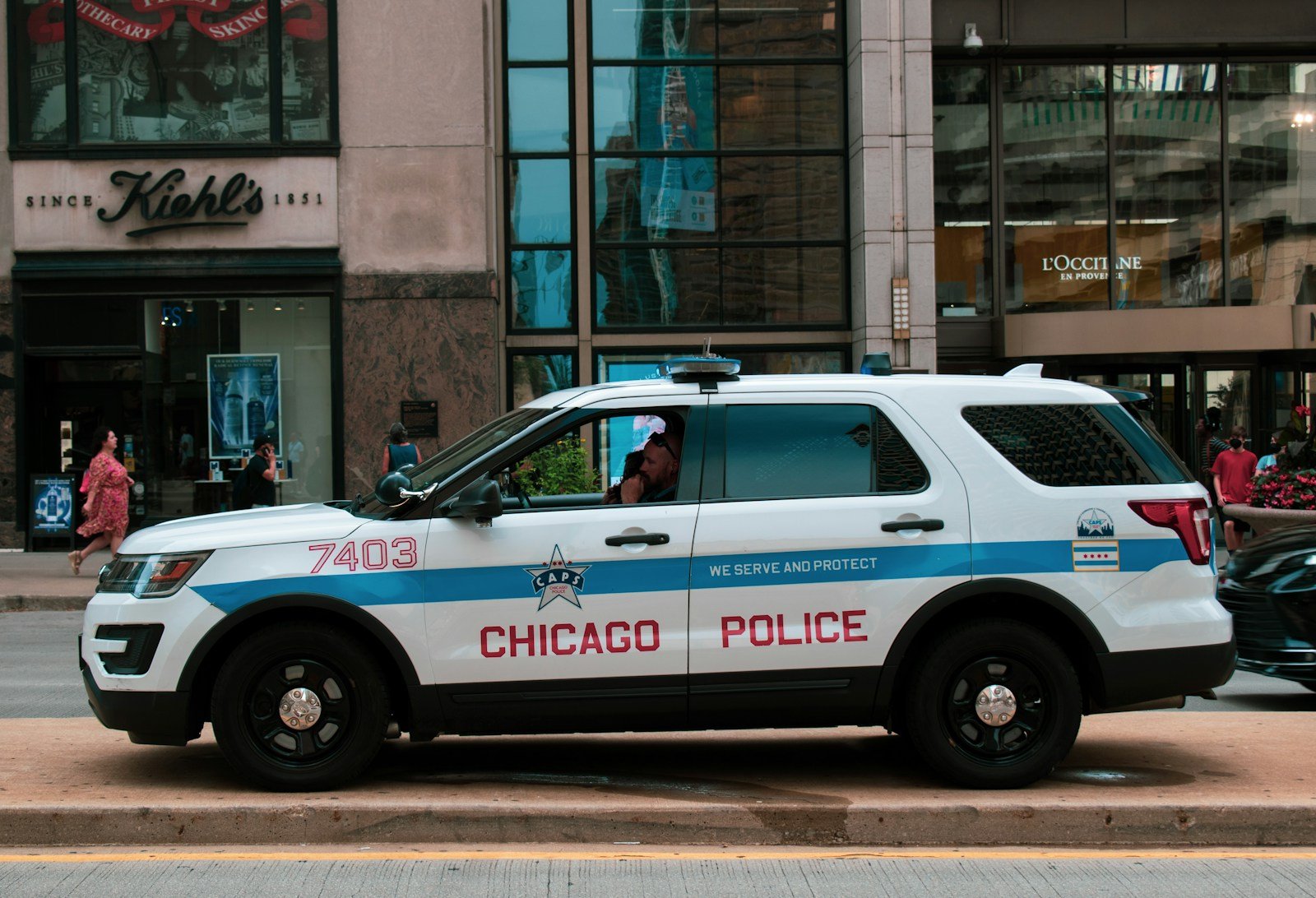
Chicago continues facing persistent gun violence, with multiple shooting incidents reported across neighborhoods throughout October. Recent weekend violence included fatalities and injuries spanning from North Side to South Side locations, reflecting ongoing challenges in targeted crime prevention and community safety initiatives. Law enforcement response continues focusing on investigative work and offender apprehension, while public health approaches and community violence prevention programs expand outreach and intervention efforts across affected neighborhoods.
Recent Shooting Incidents and Community Impact
October weekend violence included multiple incidents across distinct Chicago neighborhoods, resulting in casualties and injuries affecting families and communities. Investigation details remain ongoing as Chicago Police Department detectives work incident scenes, interview witnesses, and pursue suspect identification and apprehension. Each incident represents community trauma and safety concerns extending beyond direct victims to neighborhoods, families, and broader public.
Shooting incidents occur across diverse neighborhood contexts—some related to gang activities and territorial disputes, others involving domestic conflicts or random violence. Patterns suggest concentrated activity in specific geographic areas with documented violence histories and underlying socioeconomic challenges requiring comprehensive intervention approaches.
Law Enforcement Response and Investigation
Chicago Police Department maintains active investigations across multiple incident locations, deploying detectives, forensic specialists, and community resources toward solving crimes and apprehending suspects. Investigation protocols include scene documentation, ballistics analysis, witness interviews, and suspect identification processes requiring sustained investigative effort beyond initial incident response.
Chicago Police Department publishes crime statistics and investigation updates tracking violence patterns and law enforcement response effectiveness. Detective work remains critical for case resolution and criminal prosecution, though case clearance rates and conviction outcomes remain ongoing operational challenges requiring systemic improvements and resource allocation.
Persistent Challenges in Violence Prevention
Chicago’s violence challenges persist despite substantial police resources, community programs, and violence prevention initiatives. Complex factors contribute to violence including poverty, limited economic opportunity, gang territorial disputes, substance abuse, and access to firearms. Single-sector interventions prove insufficient, requiring coordinated approaches spanning law enforcement, public health, community development, and social services.
Gang-related violence concentrates in specific neighborhoods with documented territorial conflicts, underlying socioeconomic challenges, and limited economic alternatives for youth. Traditional policing approaches provide necessary deterrent and investigation functions but cannot address root causes requiring long-term investment in community development, education, employment, and social services.
Community Organizations and Violence Prevention Programs
Community-based violence prevention organizations continue expanding outreach, crisis intervention, and violence reduction programming in neighborhoods experiencing elevated incident rates. Programs including street outreach, conflict mediation, youth employment, and trauma support services provide alternatives to police response while addressing underlying drivers of violence.
Violence interrupters and community health workers deploy evidence-based approaches recognized by public health professionals as effective violence prevention strategies. These programs employ trusted community members with credibility in affected neighborhoods to interrupt conflicts before escalation and provide supportive services to individuals at risk of violence involvement.
Public Health Approach to Violence Reduction
Public health frameworks increasingly inform violence prevention strategy, recognizing violence as preventable public health problem requiring epidemiological analysis, evidence-based intervention, and population-level approaches. CDC Violence Prevention resources document research findings on effective interventions and strategic approaches addressing violence across diverse contexts and populations.
Public health perspectives emphasize prevention focusing on reducing root causes and risk factors rather than solely addressing consequences through criminal justice response. This approach complements traditional law enforcement while addressing social determinants of health affecting violence risk.
Neighborhood-Specific Violence Patterns
Violence concentrates geographically in specific neighborhoods with documented histories, gang presence, and socioeconomic challenges. West Side and South Side neighborhoods consistently experience elevated incident rates reflecting complex factors including historical disinvestment, limited employment opportunities, and gang territorial control. Understanding neighborhood-specific contexts enables targeted intervention strategies addressing local conditions and community needs.
Community organizations working in affected neighborhoods develop deep relationships and contextual understanding enabling culturally appropriate and effective interventions. Local leadership, community engagement, and neighborhood-based solutions prove more effective than external approaches lacking community legitimacy and contextual awareness.
Multi-Sector Coordination and Strategy
- Law enforcement investigation and offender apprehension
- Community violence prevention programs and street outreach
- Youth employment and education programs providing alternatives
- Mental health and trauma support services
- Substance abuse treatment and addiction support
- Economic development and community investment
- Hospital and emergency response coordination
- Community organizing and civic engagement
Data-Driven Strategy and Violence Analysis
Chicago Police Department and community organizations increasingly employ data analysis and violence forecasting techniques to identify high-risk areas and individuals requiring targeted intervention. Predictive analytics inform resource allocation and prevention strategy, though questions persist regarding algorithmic bias and equitable application across diverse communities.
Real-time crime data sharing and analysis systems enable rapid information dissemination and coordinated response across agencies. Technology supports situational awareness and emergency response while raising privacy and surveillance concerns requiring careful governance and community oversight.
FAQ: Chicago Violence and Public Safety
Why does Chicago experience persistent gun violence?
Multiple factors contribute including poverty, limited economic opportunity, gang territorial disputes, substance abuse, firearm access, and historical disinvestment in affected neighborhoods. Single-sector interventions prove insufficient.
What is Chicago Police Department doing about violence?
CPD deploys detectives, community policing, and investigative resources toward solving crimes and apprehending suspects. Law enforcement response complements community prevention programs addressing root causes.
Do community violence prevention programs work?
Research demonstrates violence interrupter programs, street outreach, and community-based interventions effectively reduce violence in participating neighborhoods when adequately funded and community-supported.
How can I report crime or suspicious activity?
Contact Chicago Police Department’s non-emergency line (311) or emergency line (911) for immediate threats. Anonymous tips can be submitted through Crime Stoppers hotline.
What resources are available for violence victims?
Victim services organizations, hospital-based trauma support, mental health counseling, and community organizations provide emergency and ongoing support for violence survivors and affected families.
Support Violence Prevention and Community Safety
Chicago’s violence challenges require sustained community engagement, resource investment, and multi-sector coordination. Support community organizations working in affected neighborhoods, advocate for prevention-focused budgeting, and engage civically around public safety priorities. Report suspicious activity, cooperate with investigations, and maintain community vigilance while respecting privacy and due process rights. For violence prevention resources and community support information, contact local organizations, Chicago Police Department, or community health departments.